

Insights
Connect
Subscribe to Metal’s newsletter for what we are seeing in client work, in the market and in AI infrastructure, written for executives who want to stay ahead of where digital is going. No filler. Just the thinking that informs how we build.
About
Metal designs, builds, and runs AI-driven digital infrastructure for growth-stage businesses from offices in Tampa, Houston and Miami. If this article raises questions about your own website, CRM or lead handling, request a digital infrastructure assessment.

The customer who walks into a Ferrari dealership, a real estate office, or a luxury retail location in 2026 has almost never arrived cold. They have been on the website. They have looked at specific inventory, specific floor plans, or specific products. They have compared options, read reviews, watched videos, and in many cases have already made a decision before they ever make contact with a human being. The physical visit is often not a discovery moment. It is a confirmation moment. The buyer is there to validate what they already believe, to ask the questions the website could not answer, and to complete a transaction they have already decided to make.
What most physical locations give them instead is a cold start. The sales associate who greets them has no visibility into what they looked at online, how long they spent on which pages, what inventory they bookmarked, what price points they were comparing, or how many times they visited the website before deciding to come in. The associate starts from zero. They ask qualifying questions the customer has already answered through their digital behavior. They present options the customer already eliminated. They build rapport while the customer is quietly wondering why the business does not know who they are, given that they have been engaging with it for two weeks. The visit that should feel like the natural continuation of a relationship feels like the beginning of one that was never being tracked.
The commercial cost of that disconnect is significant and almost entirely invisible in standard reporting. It does not appear as a lost sale in most CRM configurations because the visit is logged, the conversation happened, and if the customer converts, the conversion gets attributed to the in-person interaction rather than to the digital journey that produced the intent. If the customer does not convert, the associate notes an objection and the pipeline moves on. Nobody asks whether the customer would have converted if the associate had been able to open the conversation with genuine knowledge of what brought them in. Nobody measures the deals that closed faster because the physical experience picked up where the digital experience left off. Nobody measures the deals that did not close because the friction of starting over was enough to send a decided buyer back to evaluate competitors.
The integration architecture that closes this gap is not technically exotic. It requires the digital behavior, website visits, inventory views, content engagement, and inquiry submissions, to flow into the CRM in real time and be associated with a persistent customer identity that is accessible to the physical location team at the moment of the visit. It requires the physical location team to have a tool that surfaces that context in a way that is usable in a live conversation rather than requiring them to scroll through a contact record while the customer stands in front of them. It requires the handoff from digital to physical to be designed as deliberately as the digital experience itself, with the same attention to what information needs to be present, in what form, at what moment. None of this is complicated once the decision to design for it has been made. It is almost never done because the digital experience and the physical experience are managed by different teams with different systems and no shared definition of what a complete customer record looks like.
Automotive is the clearest example of how expensive this gap is when it is not closed. The vehicle purchase cycle is long. A buyer researching a specific model may visit a dealership website dozens of times over several months, configuring the same vehicle repeatedly, comparing financing options, reading ownership reviews, before ever submitting an inquiry or walking through the door. Every one of those visits is a data point about intent, preference, and timing. A dealership with the integration architecture to carry that data into the physical conversation is starting every visit from a position of genuine knowledge about the buyer. A dealership without it is starting every visit the same way regardless of whether the buyer is on their first visit or their fifteenth. The conversion rate difference between those two situations is not marginal.
Real estate has the same dynamic at higher transaction values and longer cycles. A buyer who has been filtering listings, saving properties, and returning to the same street or neighborhood repeatedly over weeks is communicating something specific about where their decision is heading. An agent who can see that behavior at the moment of the first in-person meeting can have a different conversation than one who is starting from the intake form. The difference in conversion rate, in time to close, and in client experience is a direct function of whether the digital behavior is visible in the physical context or whether the two exist in separate systems that were never designed to inform each other.
Metal builds the integration architecture that connects the digital journey to the physical experience. For automotive dealerships, real estate firms, and retail businesses where the physical location is a critical part of the conversion, Metal designs the full customer journey from first digital touchpoint through in-person interaction and post-sale relationship, and builds the infrastructure that makes each stage visible to the teams responsible for the next one. The Metal Infrastructure Assessment maps the current state of that integration, identifies the specific gaps between what the digital channels are generating and what the physical channels can see, and defines the build that closes them. Contact us today to start with the assessment.
- All
- AI and Automation
- Customer Experience and Design
- Data Intelligence
- Digital Infrastructure
- Marketing and Growth

Why Companies Keep Replacing Their CRM Instead of Fixing the Problem
Why Companies Keep Replacing Their CRM Instead of Fixing the Problem

Your Marketing Team Is Busy. Your Pipeline Is Not. Here Is What Is Actually Wrong.
Your Marketing Team Is Busy. Your Pipeline Is Not. Here Is What Is Actually Wrong.
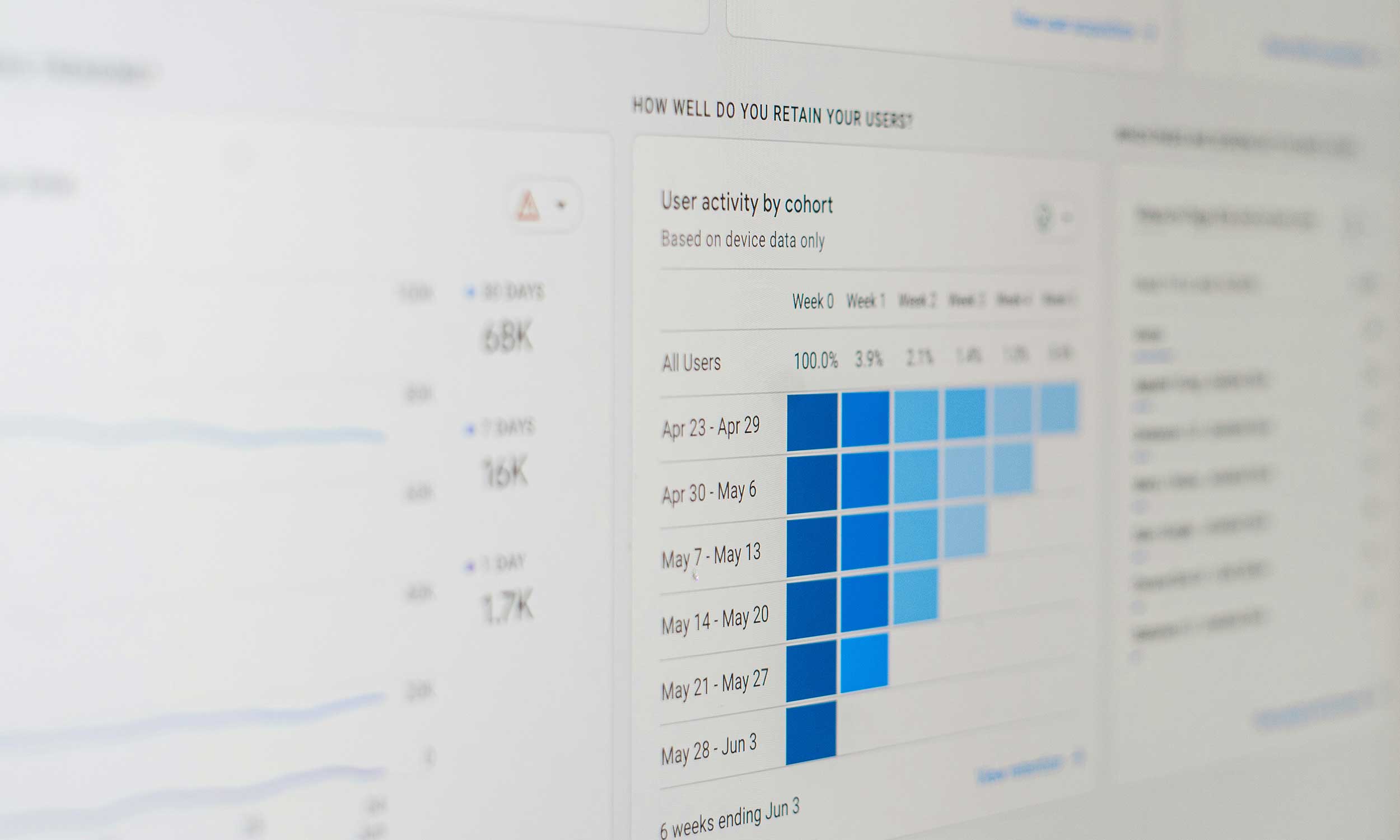
Why Your Website Gets Traffic but Does Not Generate Enough Business
Why Your Website Gets Traffic but Does Not Generate Enough Business

Your Business Has Outgrown Its Digital Infrastructure. Here Is How to Know
Your Business Has Outgrown Its Digital Infrastructure. Here Is How to Know

The Review Gap: What Public Reviews Reveal About A Dealership’s Response Speed
The Review Gap: What Public Reviews Reveal About A Dealership’s Response Speed

Agentic AI Closing the Response Gap for Luxury Sales Leaders in 2026
Agentic AI Closing the Response Gap for Luxury Sales Leaders in 2026

The Digital Transformation Trap: Why More Technology Is Not Making Your Business Faster
The Digital Transformation Trap: Why More Technology Is Not Making Your Business Faster

Your AI Investment Is Probably Sitting on Broken Infrastructure
Your AI Investment Is Probably Sitting on Broken Infrastructure

What Is Actually Stopping Your AI From Delivering Impact? The Four Gaps Behind Every Stalled Deployment
What Is Actually Stopping Your AI From Delivering Impact? The Four Gaps Behind Every Stalled Deployment

Agentic AI Adoption Is Outpacing Infrastructure Readiness: The 2026 Governance Gap Boards Cannot Ignore
Agentic AI Adoption Is Outpacing Infrastructure Readiness: The 2026 Governance Gap Boards Cannot Ignore

What AI Actually Needs From Your Data Before It Can Do Anything Useful
What AI Actually Needs From Your Data Before It Can Do Anything Useful

The Seven Signs Your Tech Stack Has Outgrown Your Business
The Seven Signs Your Tech Stack Has Outgrown Your Business

The Real Reason Your Digital Infrastructure Breaks at One Hundred Employees
The Real Reason Your Digital Infrastructure Breaks at One Hundred Employees

AI Without Infrastructure Is Automation Without Intelligence. Here Is the Difference and Why It Determines Everything About What Your Investment Actually Returns.
AI Without Infrastructure Is Automation Without Intelligence. Here Is the Difference and Why It Determines Everything About What Your Investment Actually Returns.

The Marketing Budget Is Working. Nobody Can Prove It. Here Is Why Attribution Is Broken for Most Businesses and What Actually Fixes It.
The Marketing Budget Is Working. Nobody Can Prove It. Here Is Why Attribution Is Broken for Most Businesses and What Actually Fixes It.
The Customer Walked In Already Decided. Your Physical Location Just Did Not Know It.
The Customer Walked In Already Decided. Your Physical Location Just Did Not Know It.

The Customer Experience Is Not a Design Problem. It Is an Architecture Problem That Happens to Have a Design Layer on Top of It.
The Customer Experience Is Not a Design Problem. It Is an Architecture Problem That Happens to Have a Design Layer on Top of It.

Every Pipeline Has a Breaking Point. Here Is How to Find Yours.
Every Pipeline Has a Breaking Point. Here Is How to Find Yours.

Why Your CRM Is Not Working and Why It Was Never Designed To
Why Your CRM Is Not Working and Why It Was Never Designed To

The Hidden Cost of Systems That Do Not Integrate: What It Is Actually Costing Your Business
The Hidden Cost of Systems That Do Not Integrate: What It Is Actually Costing Your Business

Where AI Meets the Future of Experimentation: Agents, Velocity, and What Comes Next
Where AI Meets the Future of Experimentation: Agents, Velocity, and What Comes Next

The Design Question: Why Most Businesses Are Installing AI Instead of Transforming With It
The Design Question: Why Most Businesses Are Installing AI Instead of Transforming With It

AI Is Not a Strategy. Here Is How Smart Founders Turn It Into One.
AI Is Not a Strategy. Here Is How Smart Founders Turn It Into One.

Why Your Website Is Invisible to AI Search Results and the Proven GEO and LLM Frameworks to Reclaim Your Digital Authority
Why Your Website Is Invisible to AI Search Results and the Proven GEO and LLM Frameworks to Reclaim Your Digital Authority

Integrating Emerging Technologies Into Legacy Enterprise Systems: The 2026 Blueprint for Modernization Without Disruption
Integrating Emerging Technologies Into Legacy Enterprise Systems: The 2026 Blueprint for Modernization Without Disruption

Geolocation-Based Experiences: How Real-Time Personalization Drives Revenue and Retention
Geolocation-Based Experiences: How Real-Time Personalization Drives Revenue and Retention
Agentic AI Closing the Response Gap for Luxury Sales Leaders in 2026
Agentic AI Closing the Response Gap for Luxury Sales Leaders in 2026
Agentic AI Adoption Is Outpacing Infrastructure Readiness: The 2026 Governance Gap Boards Cannot Ignore
Agentic AI Adoption Is Outpacing Infrastructure Readiness: The 2026 Governance Gap Boards Cannot Ignore
AI Without Infrastructure Is Automation Without Intelligence. Here Is the Difference and Why It Determines Everything About What Your Investment Actually Returns.
AI Without Infrastructure Is Automation Without Intelligence. Here Is the Difference and Why It Determines Everything About What Your Investment Actually Returns.
Where AI Meets the Future of Experimentation: Agents, Velocity, and What Comes Next
Where AI Meets the Future of Experimentation: Agents, Velocity, and What Comes Next
The Design Question: Why Most Businesses Are Installing AI Instead of Transforming With It
The Design Question: Why Most Businesses Are Installing AI Instead of Transforming With It
AI Is Not a Strategy. Here Is How Smart Founders Turn It Into One.
AI Is Not a Strategy. Here Is How Smart Founders Turn It Into One.
Why Your Website Is Invisible to AI Search Results and the Proven GEO and LLM Frameworks to Reclaim Your Digital Authority
Why Your Website Is Invisible to AI Search Results and the Proven GEO and LLM Frameworks to Reclaim Your Digital Authority
The Digital Transformation Trap: Why More Technology Is Not Making Your Business Faster
The Digital Transformation Trap: Why More Technology Is Not Making Your Business Faster
The Customer Walked In Already Decided. Your Physical Location Just Did Not Know It.
The Customer Walked In Already Decided. Your Physical Location Just Did Not Know It.
The Customer Experience Is Not a Design Problem. It Is an Architecture Problem That Happens to Have a Design Layer on Top of It.
The Customer Experience Is Not a Design Problem. It Is an Architecture Problem That Happens to Have a Design Layer on Top of It.
Geolocation-Based Experiences: How Real-Time Personalization Drives Revenue and Retention
Geolocation-Based Experiences: How Real-Time Personalization Drives Revenue and Retention
The Review Gap: What Public Reviews Reveal About A Dealership’s Response Speed
The Review Gap: What Public Reviews Reveal About A Dealership’s Response Speed
The Marketing Budget Is Working. Nobody Can Prove It. Here Is Why Attribution Is Broken for Most Businesses and What Actually Fixes It.
The Marketing Budget Is Working. Nobody Can Prove It. Here Is Why Attribution Is Broken for Most Businesses and What Actually Fixes It.
Every Pipeline Has a Breaking Point. Here Is How to Find Yours.
Every Pipeline Has a Breaking Point. Here Is How to Find Yours.
The Hidden Cost of Systems That Do Not Integrate: What It Is Actually Costing Your Business
The Hidden Cost of Systems That Do Not Integrate: What It Is Actually Costing Your Business
Your Business Has Outgrown Its Digital Infrastructure. Here Is How to Know
Your Business Has Outgrown Its Digital Infrastructure. Here Is How to Know
Your AI Investment Is Probably Sitting on Broken Infrastructure
Your AI Investment Is Probably Sitting on Broken Infrastructure
What Is Actually Stopping Your AI From Delivering Impact? The Four Gaps Behind Every Stalled Deployment
What Is Actually Stopping Your AI From Delivering Impact? The Four Gaps Behind Every Stalled Deployment
What AI Actually Needs From Your Data Before It Can Do Anything Useful
What AI Actually Needs From Your Data Before It Can Do Anything Useful
The Seven Signs Your Tech Stack Has Outgrown Your Business
The Seven Signs Your Tech Stack Has Outgrown Your Business
The Real Reason Your Digital Infrastructure Breaks at One Hundred Employees
The Real Reason Your Digital Infrastructure Breaks at One Hundred Employees
Why Your CRM Is Not Working and Why It Was Never Designed To
Why Your CRM Is Not Working and Why It Was Never Designed To
Integrating Emerging Technologies Into Legacy Enterprise Systems: The 2026 Blueprint for Modernization Without Disruption
Integrating Emerging Technologies Into Legacy Enterprise Systems: The 2026 Blueprint for Modernization Without Disruption
Why Companies Keep Replacing Their CRM Instead of Fixing the Problem
Why Companies Keep Replacing Their CRM Instead of Fixing the Problem
Your Marketing Team Is Busy. Your Pipeline Is Not. Here Is What Is Actually Wrong.
Your Marketing Team Is Busy. Your Pipeline Is Not. Here Is What Is Actually Wrong.
Why Your Website Gets Traffic but Does Not Generate Enough Business
